Residential Concrete Driveways for Local Homeowners
Request an Estimate
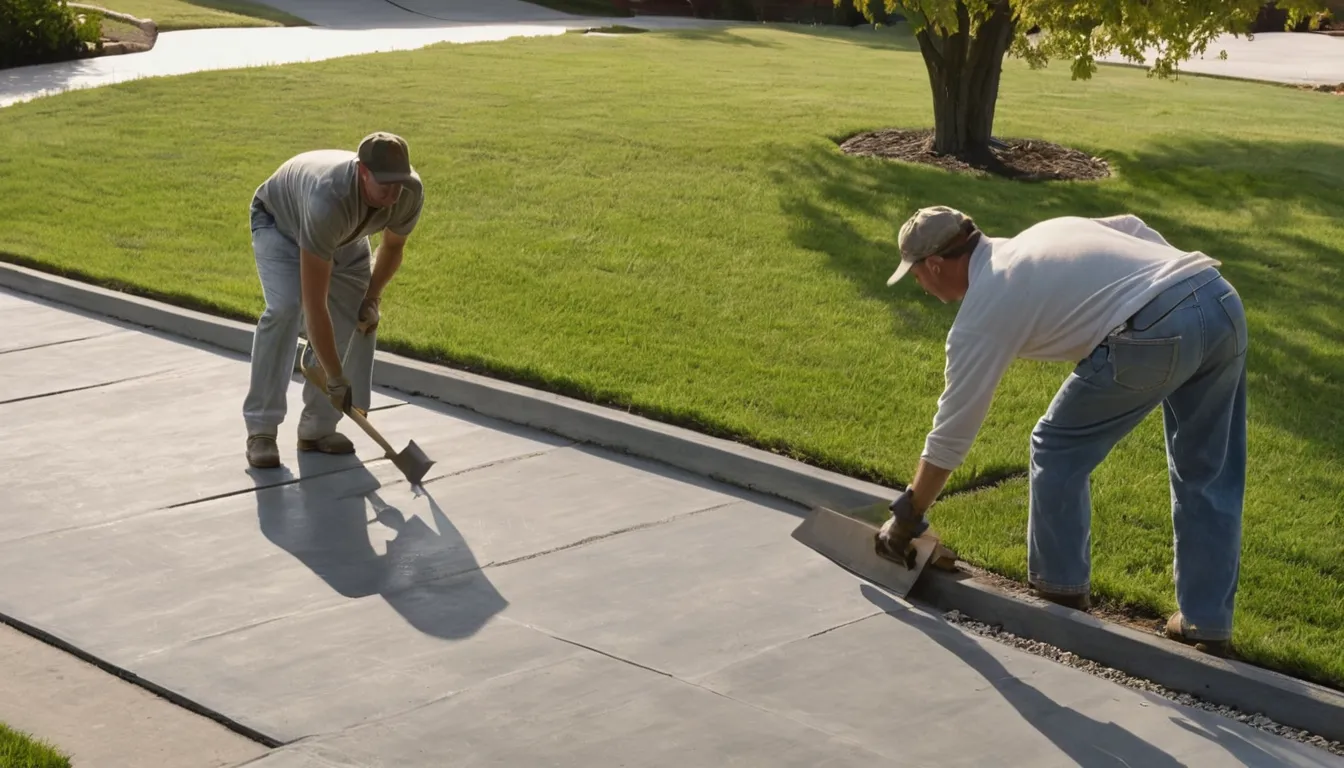
A driveway takes a beating in the North Prairie area. Deep frost heaves the ground in winter, hot humid summers bake the surface, and heavy storms and spring flooding wash soil from under the slab. Hairline cracks, standing water and sinking edges are often the first hints that a replacement is coming. Catching them early gives you time to plan instead of rush.
Russiadiscovery Concrete is a referral service. It does not pour or repair concrete itself. Tell us about your project, and we connect you with an independent provider in our network who can look at the site, talk through options and put a written quote together. There is no obligation to hire.
Read the Slab: Small Signs First
A driveway rarely fails overnight. It whispers first. In the North Prairie area, deep frost, hot humid summers and wet springs all leave marks on concrete. Learning to spot them gives you time to plan.
Hairline Cracks That Keep Growing
A thin crack is common and often harmless. A crack that widens, branches or gets a raised lip along one side is different. Water seeps in, freezes, and pushes the slab apart a little more each winter.
Pooling Water and Sinking Edges
After a storm, watch for puddles that stay for hours. Check the edges too. A slab that dips at the side may be losing the soil under it, and spring flooding can wash that soil away fast.
Flaking, Dusting and Rust Stains
A rough, peeling or sandy surface means the top layer is wearing out. Rust spots can mean steel is sitting too close to the surface. Both are early flags worth a closer look.
Repair or Replace?
Many slabs only need concrete driveway repair, like sealing cracks or patching a corner. Replacement makes more sense when cracks run across most panels, sections have heaved or settled, or the surface is crumbling. A local provider can look at your driveway and tell you which path fits. Ask for both options in writing so you can compare.
When Water Heads Toward the House
If your driveway slopes toward a full basement, take it seriously. Water that collects near the foundation can keep a sump pump running hard. A new pour can be graded to shed water away from the house. If you also see wall cracks or damp basement corners, a foundation specialist should check that separately. A driveway provider can point out what they notice, but they may suggest another specialist.
Older Homes Need Extra Care
Frame houses and bungalows from many decades ago often hold surprises. An old driveway may sit on a thin base or none at all. Past patches can hide deeper trouble. Tree roots, old drain lines and buried utilities sometimes show up once the old slab comes out. Ask a provider how they handle the unknown, and keep a little room in your budget.
What a New Driveway Project Includes
Most projects follow the same path. Providers vary, so confirm the details in your written quote.
Removal and Base Prep
The old slab is broken up and hauled away. The soil is then checked, graded and topped with compacted gravel. This base helps the slab handle frost heave.
Forms, Steel and the Pour
Wood forms set the shape. Rebar or wire mesh may be added. Joints are cut or tooled so cracks form in neat lines. Good concrete flatwork depends on careful timing and decent weather.
Choosing Size, Thickness and Finish
Start with size. Many one-car driveways run about 10 to 12 feet wide, and two-car drives often run 20 to 24 feet. Add room to open doors and walk beside the car.
Then think about thickness. Many home driveways are about 4 inches thick. Heavy trucks or RVs may call for 5 to 6 inches. Ask about an air-entrained mix, which holds up better to freezing and thawing.
For finish, a broom texture gives grip on wet and icy days. Exposed aggregate and tinted concrete add style, and sealer adds protection.
Permits and the Street Apron
Many towns require a permit for a new driveway. The apron, the sloped part where your drive meets the street, is often public property with its own rules. Ask the provider who handles permits and who pays for apron work. Check any neighborhood association rules and have utility lines marked before digging.
Choosing a Concrete Provider
Take your time. Gather two or three written quotes and compare them line by line. Ask each provider about:
- Proof of insurance
- Base depth and thickness
- Mix type and joint layout
- Who handles permits and cleanup
- A rain or cold-weather plan
Be careful of quotes that are vague or very different from the rest. A clear quote is a good sign.
Timing the Pour
Concrete cures well in mild weather. Late spring through early fall is common. Very hot, very cold or stormy days make the work harder. Providers can book up, so plan before pouring.
After the Pour
The First Week
Keep cars off for about a week, or as your provider says. Heavier vehicles may need longer. Keep sprinklers and pets away while the surface is fresh.
Sealing and Winter Care
Seal the slab when your provider advises. Go easy on de-icing salts the first winter. Sand adds grip, and a plastic shovel is gentler on the surface. Walk the drive each spring and watch for small signs.
What's Included
Old Slab Removal
Breaking up the worn driveway, hauling away debris and clearing the way for a fresh start.
Grading and Base
Shaping the soil and packing gravel so water drains and frost has less to lift.
Forms and Reinforcement
Setting clean edges, adding steel as needed and planning joints where cracks may form.
Pouring and Finishing
Placing, leveling and texturing the concrete, then protecting it while it cures.
Typical New Driveway Costs in the U.S.
These are general U.S. ranges only. Your price depends on size, site, finish and local rates, so always get a written quote before you decide.
| Item | Typical range | Notes |
|---|---|---|
| Plain concrete driveway | $6 – $12 per sq ft | Broom finish, standard thickness |
| Two-car driveway, full job | $3,500 – $8,000 | Based on about 500 to 650 sq ft |
| Old slab removal and haul-away | $1 – $3 per sq ft | Higher for thick or reinforced slabs |
| Base prep and gravel | $1 – $3 per sq ft | More if soil is soft or poorly drained |
| Decorative finish upgrade | $2 – $8 per sq ft | Exposed aggregate, tint or borders |
| Permit and street apron work | $100 – $1,500 | Rules and fees vary by town |
How It Works
Walk Your Driveway
Note cracks, puddles, sunken edges and flaking so you can describe them clearly.
Share Your Project Details
Tell Russiadiscovery Concrete your size, goals and any concerns about drainage or an older house.
Get Matched Locally
Russiadiscovery Concrete connects you with an independent provider in our network who serves your area.
Review the Written Quote
Compare scope, thickness, base and timing before you decide. There is no obligation.
Why Call Russiadiscovery Concrete
Plan Before Pouring
Early warning signs help you budget and book on your schedule, not in a rush.
Local Providers
Independent providers in our network know how frost, storms and wet springs treat concrete.
Older Home Awareness
Request providers who can explain how they handle old bases, past patches and hidden surprises.
Clear Referrals
Russiadiscovery Concrete makes the introduction. The provider does the work and gives the quote.
Other Services
Need residential concrete driveways in North Prairie?
Tell us about your driveway or patio plans in North Prairie. Send a request and a local provider in our network can follow up with next steps.
Residential Concrete Driveways FAQ
How do I know if my concrete driveway needs replacing?
Look for cracks that keep widening, sections that have sunk or heaved, crumbling surfaces and water that pools. If damage covers most of the slab, replacement may make more sense than patching. A local provider can advise.
How thick should a new concrete driveway be?
Many home driveways are about 4 inches thick. Heavier vehicles like trucks or RVs may need 5 to 6 inches. Base depth, steel and mix also matter, so ask providers to list them in the quote.
Do I need a permit for a new driveway?
Often yes. Many towns require a permit, and the street apron may have its own rules. Requirements vary, so ask your city office or the provider who will pull permits and handle any apron work.
Get in touch
Tell us about your driveway or patio plans in North Prairie. Send a request and a local provider in our network can follow up with next steps.
No obligation