Stamped Concrete for North Prairie Homes
Request a stamped concrete estimate
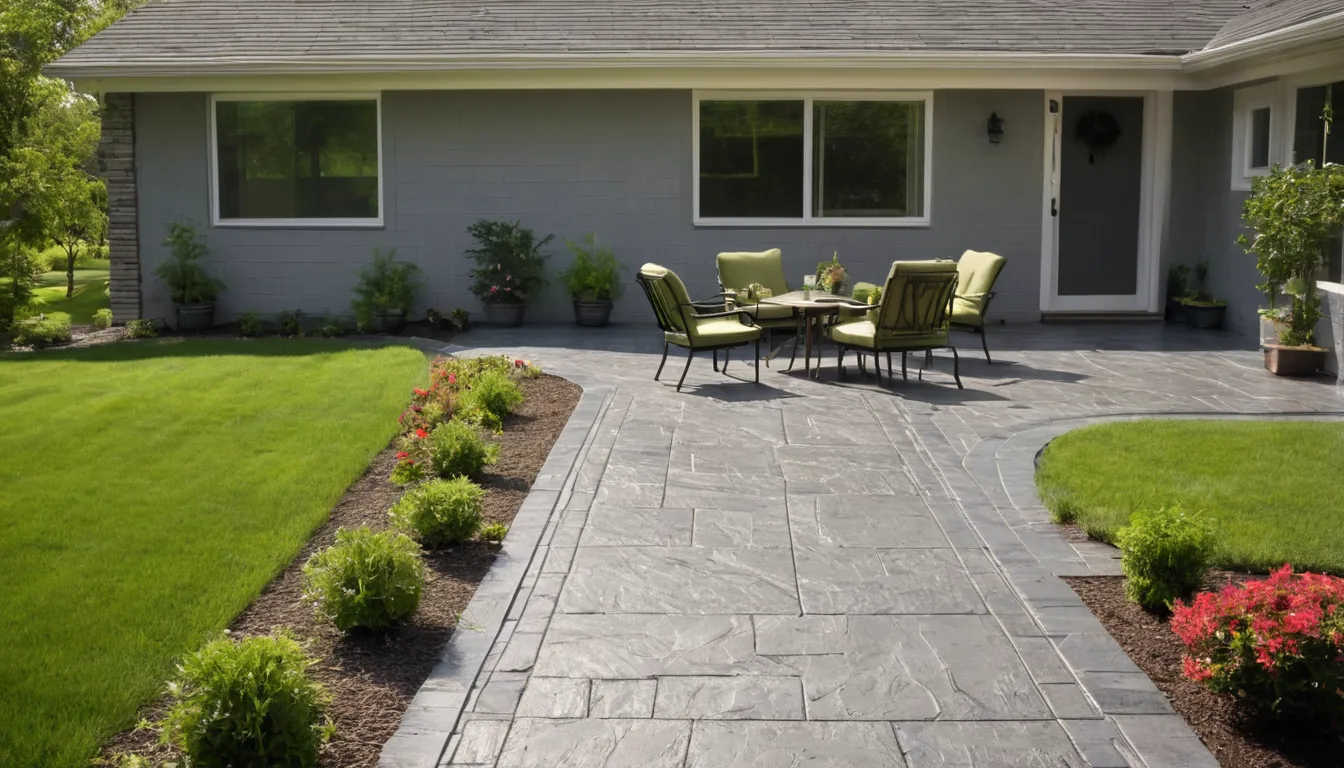
Stamped concrete is a poured slab pressed with patterns while it is still soft. The result can look like flagstone, brick, slate or even wood planks. Homeowners across the North Prairie area choose it for patios, walks and driveway borders because it offers a finished look without laying stone piece by piece.
Russiadiscovery Concrete is a referral service. We do not pour or stamp concrete ourselves. We connect you with independent local providers in our network who do. Tell us about your project, and a provider can talk through patterns, colors, base prep and a written quote. There is no obligation to hire anyone.
Read the Slab Before You Plan
Stamped concrete looks great when the ground under it is sound. So start by looking at what you have now. Small signs first, then the pattern.
Puddles that linger, edges that dip and gaps along the house wall all point to a base that needs attention. A new surface poured over a weak base will crack just like the old one did.
Warning signs worth noting
- Water that stays pooled a day after rain
- Hairline cracks that are getting wider
- Edges that tilt toward the yard
- A gap where the slab meets the house
If water collects near the foundation, mention it to the provider. Foundation repair specialists are a separate trade, and a good provider will tell you when to bring one in before any new concrete goes down.
What Stamped Concrete Really Is
It is regular concrete with a few extra steps. The surface gets color, then a texture, then a sealer. That is what turns plain gray concrete flatwork into something that looks like a stone terrace.
Base, forms and pour
A provider digs out the area, packs a gravel base, sets forms and pours the concrete. In our region, a solid base matters because deep frost pushes on slabs from below every winter.
Color and texture
Color can be mixed into the whole batch or dusted on the surface. While the concrete is still workable, the provider presses rubber mats into it to leave the pattern. Thin lines are cut in later to guide where cracks may form.
Patterns and Colors Homeowners Pick
Ash and slate gray tones suit frame houses with siding. Warm tans and browns fit brick bungalows and ranch homes. Some people pick a soft red to echo an older porch.
- Ashlar slate for a natural stone look
- Running-bond brick for a classic feel
- Wood plank for decks that stay solid
- Random flagstone for garden paths
Ask to see a sample board in daylight. Colors look different in shade than under a showroom light.
Where It Works Around the House
Stamped concrete patios
Back patios are the most common use. Stamped concrete patios hold up to grills, tables and plenty of foot traffic. They also give you one clean surface instead of hundreds of joints.
Walkways, steps and pool decks
The texture adds grip when the surface is wet. Ask the provider about a slip-resistant sealer for steps and any area near water.
Driveway borders and aprons
Some homeowners stamp just a border or apron and keep the middle plain. It adds charm without a large bill.
Stamped Concrete or Pavers?
Pavers are laid one by one. They can be lifted and reset if one settles. Stamped concrete is one solid piece, so weeds do not push through and sweeping is easy.
The trade-off is cracks. Pavers shift in pieces, while concrete may crack in a line. Control joints help guide that. Pick pavers if you like easy spot fixes. Pick stamped concrete if you want a smooth, joint-light surface.
Timing Around Our Seasons
Spring and early summer
Spring floods and wet ground can delay work. Providers often wait until the soil drains and the base can be packed firmly.
Hot, humid stretches
Heat makes concrete set quickly, which is hard on pattern work. Many providers start early in the day or pour on cooler days.
Fall and the frost line
Concrete needs time to cure before cold weather arrives. Request a callback to check provider availability before the season turns.
How Long the Job Takes
Most patios take a few days of active work. Prep and forming come first. Pouring and stamping happen in a single day. Sealing waits until the surface has cured. Walking on it can be possible within a few days, while heavy loads need longer. Your provider will give you dates that fit the weather.
Extra Care for Older Homes
Older houses have surprises. You may find old footings, buried drain lines or an earlier patch hiding under the surface. Bungalows and frame houses from many decades ago may sit lower than newer yards, so water can drain toward them.
Ask the provider to check the grade and keep a slight slope away from the walls. Full basements with sump pumps stay drier when new concrete sheds water away from the house.
Caring for a Stamped Surface
- Sweep often and rinse with a hose
- Reseal every couple of years, depending on wear
- Use a plastic shovel in winter
- Skip harsh de-icing salts, which can mark the surface
- Wipe up oil and grease spills quickly
If you spot a hairline crack, note it and watch it. Small signs first. A provider can seal narrow cracks before they spread.
Choosing a Provider
Talk to more than one. Ask what base prep they use, how they handle control joints and what sealer goes on top. Ask for a written quote that lists materials, area size and the work included.
If you also have a worn driveway, ask whether concrete driveway repair or a new pour makes more sense. That is a separate project, but it can be quoted at the same visit.
Ready to Plan Before Pouring?
Tell us about your yard and the look you want. A provider in our network can follow up with questions and a written quote.
What's Included
Pattern Choices
Stone, brick, slate and wood looks, pressed into the surface while the concrete is workable.
Color Options Offered
Providers can mix color through the batch or add surface tints for a layered look.
Base and Forms
Digging, gravel base and form setup help the slab handle frost and wet springs.
Sealing and Finish
A sealer protects color, resists stains and can add grip for wet steps and walks.
Typical Stamped Concrete Costs
These are typical U.S. ranges for stamped concrete. Your price depends on size, pattern, color, base condition and local rates, so always get a written quote from a provider.
| Item | Typical range | Notes |
|---|---|---|
| Plain concrete flatwork | $6 – $12 per sq ft | Baseline for comparison |
| Basic stamped pattern | $12 – $18 per sq ft | One color, simple stamp |
| Complex pattern and colors | $18 – $30 per sq ft | Borders, accents, two-tone work |
| Base prep and grading | $1 – $4 per sq ft | More if soil is soft or sloped |
| Sealer application | $1 – $3 per sq ft | Resealing is needed over time |
| Old slab removal | $2 – $6 per sq ft | Depends on thickness and access |
How It Works
Tell Us Your Plan
Describe the area, the look you want and any pooling water or cracks you have noticed.
Get Matched Locally
Russiadiscovery Concrete connects you with an independent provider in our network who handles stamped work.
Review the Written Quote
Compare patterns, base prep, sealer and timing so you know what is included.
Schedule Around Weather
Pick dates that give the concrete time to cure before frost arrives.
Why Call Russiadiscovery Concrete
Start With Small Signs
We help you notice base and drainage issues before they affect a new pour.
Local Providers
Independent providers know how frost and wet springs treat concrete in the North Prairie area.
Plain Process
Share your project, hear from a provider and compare written quotes at your pace.
No Obligation
Requesting an estimate does not commit you to hiring any provider.
Other Services
Need stamped concrete in North Prairie?
Tell us about your driveway or patio plans in North Prairie. Send a request and a local provider in our network can follow up with next steps.
Stamped Concrete FAQ
How long does stamped concrete last?
With a solid base and regular sealing, stamped concrete can last for decades. Frost, de-icing salts and poor drainage shorten its life, so ask your provider about base prep and a resealing plan.
Does stamped concrete crack in cold winters?
Any concrete can crack when deep frost moves the ground. Proper base prep, control joints and good drainage lower the risk. Hairline cracks are common and can often be sealed early before they spread, which providers can explain.
Is stamped concrete slippery when wet?
It can be if the sealer is too glossy. Ask your provider about a slip-resistant additive or a matte sealer, especially for steps, pool decks and any area that stays wet.
Get in touch
Tell us about your driveway or patio plans in North Prairie. Send a request and a local provider in our network can follow up with next steps.
No obligation